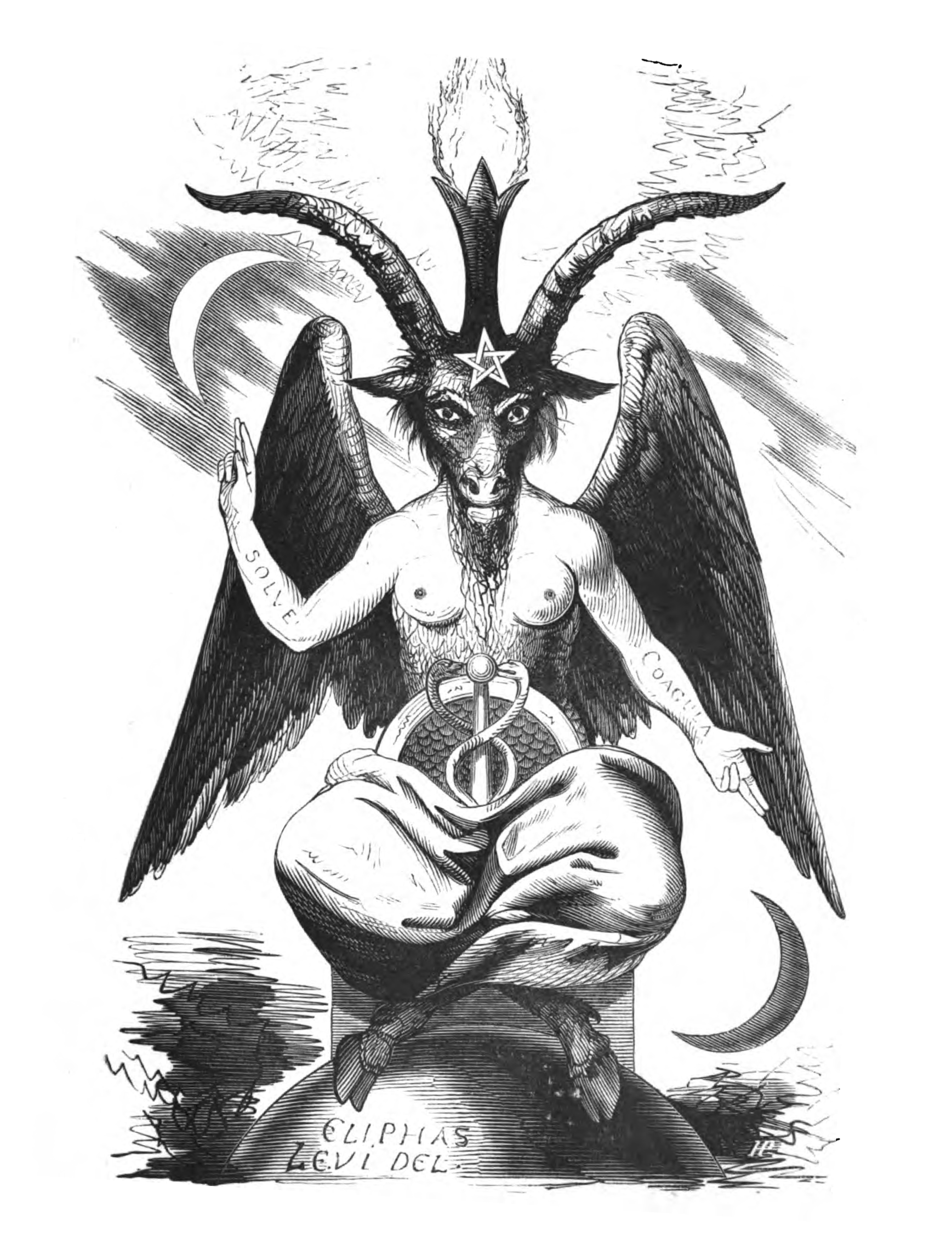
In nineteenth-century ceremonial occultism, Baphomet was reimagined by Éliphas Lévi and integrated into Western ceremonial magic as the Sabbatic Goat of Mendes. Transcending conventional demonology, this pantheistic glyph combines caprine horns, female breasts, the torch of intelligence, and the caduceus between its legs, synthesizing Solve et Coagula to represent the equilibrium of the Astral Light.
“Late / disputed attestation. Unlike medieval Christian inquisitorial depositions that treated Baphomet as an idol of demonic heresy, 19th-century occultism reinterpreted the figure as an androgynous glyph of cosmic balance absent from early Solomonic grimoires.”
Domains of Authority
Sphere of Operation
What does this entity do?
Holds opposing forces, male and female, dark and light, in poised balance.
Holds the universal medium in balance, wherein every magical operation resolves.
Dissolves opposites and recombines them into hermetic equilibrium.
Admits adepts by degrees into mysteries of equilibrium and self-mastery.
Iconography & Implements
Objects, vestments, and marks borne in Goetic tradition — and what each one signifies.
Flame borne between the Goat's horns, symbol of universal mind.
Serpent-twined staff between the Goat's legs, emblem of Solve et Coagula.
Five-pointed star blazing on the Goat's brow, sign of equilibrium.
Goat horns crowning the Sabbatic figure of hermetic equilibrium.


