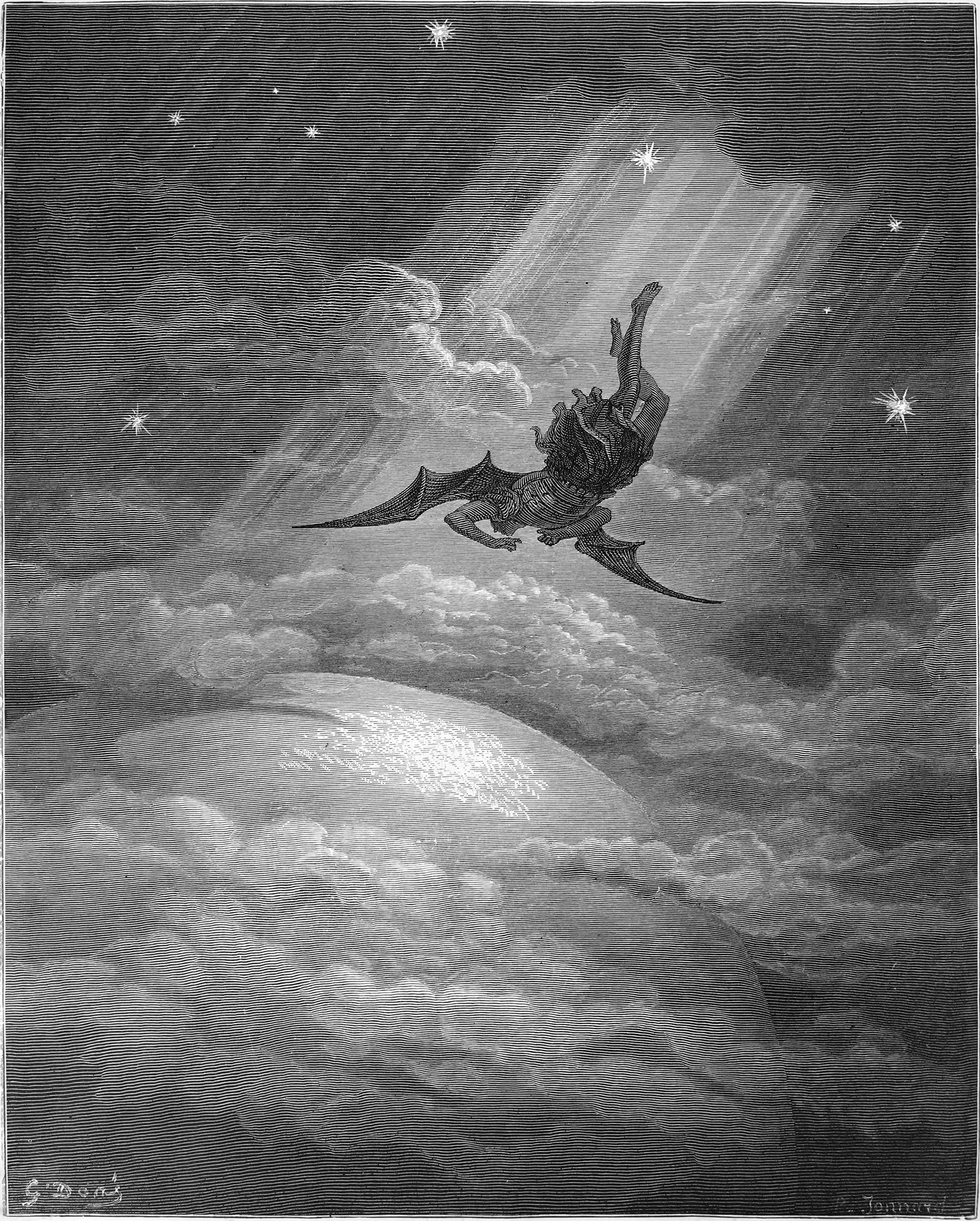
In Islamic doctrine, Iblīs (titled Al-Shayṭān) was a devout jinni elevated among the angels who fell through prideful obstinacy (kibr), refusing God's command to prostrate before Adam. Banished as Al-Rajīm (the Stoned/Accursed), he was granted respite until the Day of Resurrection to mislead humanity through insidious whispers (waswās), though he lacks coercive power over true believers.
“Classical Arabic text of the Quran. Surah 18:50 explicitly defines Iblīs as being 'of the jinn', directly contradicting Christian patristic doctrine that he was an ontologically celestial angel, although early exegete Ibn Abbas recorded a minority view of angelic origin.”
Domains of Authority
Sphere of Operation
What does this entity do?
Breathes covert suggestions into human hearts, without power to compel.
Lays the veil that makes error shine like revelation.
Draws travelers off the path by whisper and embellishment.
Elemental Correspondence
Which element answers to it?
Moral Register
Which virtue or vice does it embody?
Iconography & Implements
Objects, vestments, and marks borne in Islamic tradition — and what each one signifies.
Quranic element of the jinn's creation, ground of Iblis's proud refusal.
Stones of repudiation hurled against the Accursed in ritual rejection.
Woven trap of insinuated suggestion laid for heedless hearts.


